Co-Design of a Neuroscience-Informed Training Program with Climate-Displaced Women in Bangladesh
26 April 2026
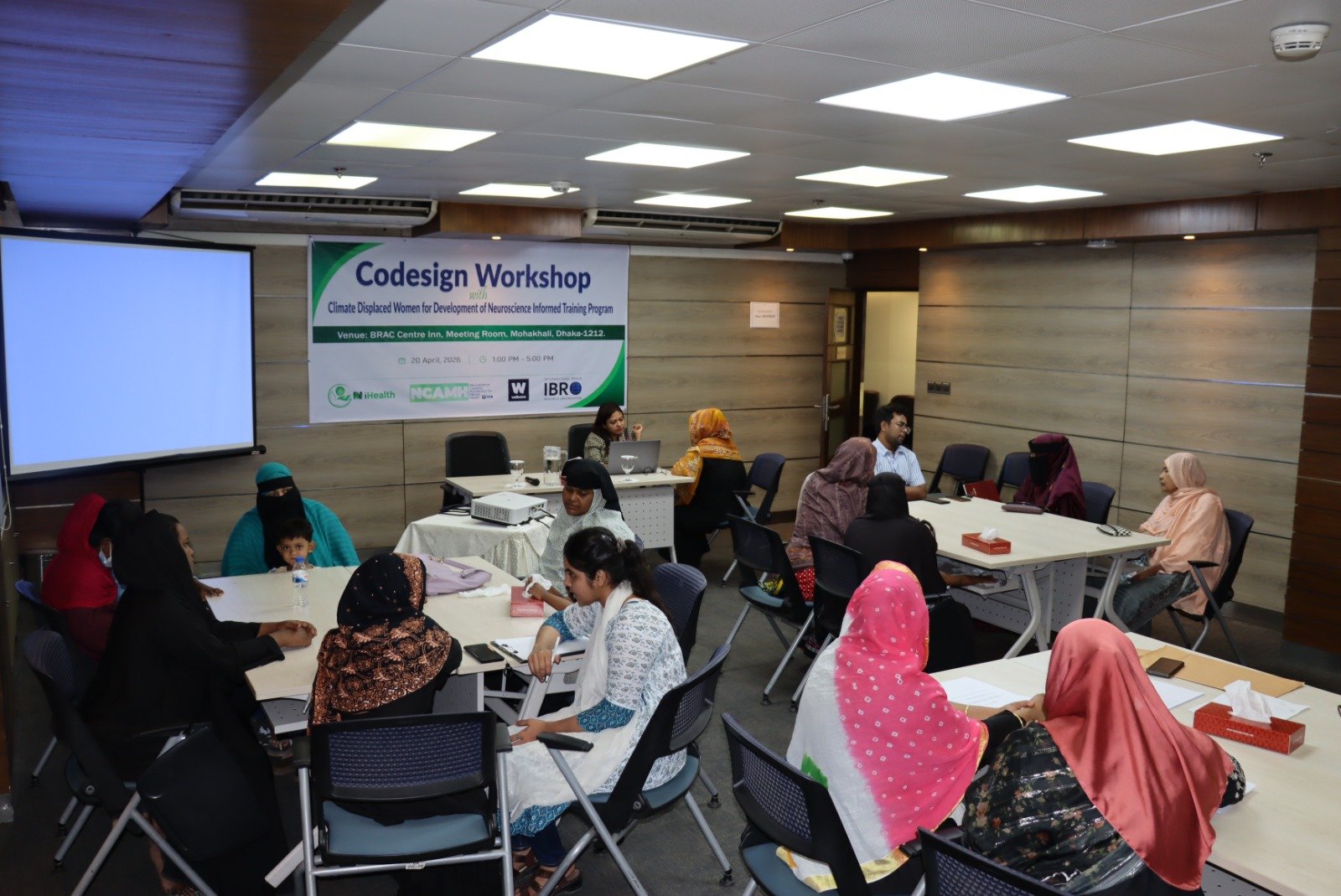
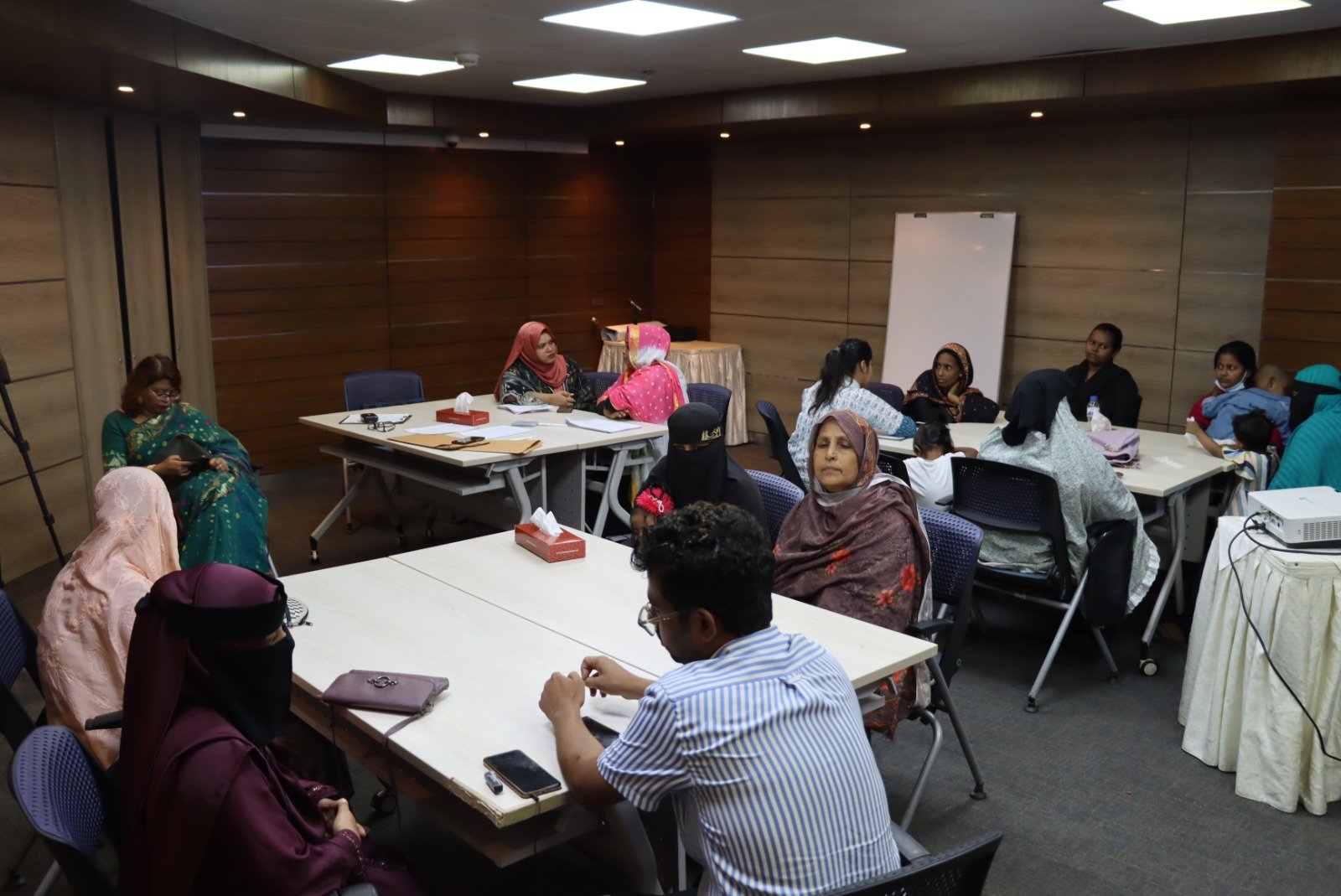
Climate change is increasingly recognized as a major driver of mental health challenges, particularly among vulnerable populations in low- and middle-income countries. Bangladesh, one of the most climate-vulnerable countries in the world, experiences recurrent climate-related disasters including floods, cyclones, and riverbank erosion that displace thousands of people every year. Women often face a disproportionate burden of climate displacement, experiencing compounded social, economic, and psychological challenges.
Despite growing evidence linking climate displacement with mental distress, trauma, and neurological impacts, there remains a significant gap in accessible, culturally appropriate, and evidence-informed mental health resources tailored to the needs of climate-displaced women in Bangladesh.
NiHealth is addressing this gap through a participatory co-design approach by directly engaging climate-displaced women, listening to their stories, understanding their lived experiences, and collaboratively identifying practical solutions. Through this initiative, NiHealth aims to develop a neuroscience-informed training program grounded in the realities, priorities, and strengths of the women it is designed to support.
Objectives
The primary objective of this initiative is to co-design a contextually appropriate, neuroscience-informed training program for climate-displaced women in Bangladesh through meaningful participation and evidence-informed collaboration.
- To engage climate-displaced women through in-depth conversations and participatory methods to better understand their lived experiences of displacement, trauma, resilience, and mental health challenges.
- To document the psychological and neurological effects of climate displacement as experienced and described by participating women.
- To identify feasible, culturally appropriate, and acceptable approaches for a neuroscience-informed mental health training program through collaborative co-design sessions.
- To ensure the training program reflects the voices, priorities, and day-to-day realities of climate-displaced women in Bangladesh.
- To develop a replicable and scalable co-design model that can guide future mental health initiatives for climate-affected populations.
